
The Bloom Journal
Insights, resources, and teaching from Bloom Developmental Center
The Bloom Journal is a collection of articles, research, and reflective insights from Ashley Gillespie about developmental therapy for autistic children. Here you will find resources for parents and professionals on Floortime, emotional regulation, communication development, and relationship based approaches that support autistic children.


Understanding Motor Planning
Understanding Your Child’s Developmental Profile
What if the key to your child’s growth isn’t pushing harder but understanding them more deeply? This guide helps you see the why behind your child’s behaviors so you can support their development in a way that actually works.

What If We Didn’t Need To Say It?
“Neurodiversity affirming” shouldn’t have to be a label we prove, it should be the way we naturally show up with curiosity, openness, and connection. When people actually experience the joy of connecting with autistic children, fear and uncertainty start to fade.

Studying How the Built Environment Shapes Social Engagement in Autistic Children
This blog shares my journey from dreaming about a residential community for autistic individuals to conducting research at Bloom Developmental Center.

Why Experiencing Connection Can Mean More Than Saying You’re Neurodiversity Affirming
This blog reflects on what it truly means to be neurodiversity affirming. It explores how connection, understanding, and shared experiences with autistic children go beyond language or labels, creating moments of joy, trust, and mutual respect.

The Power of Affect
This article highlights the critical role of affect, or emotional signaling, in shaping a child’s social and emotional development. It emphasizes that children, especially autistic children, learn to understand emotions and build connections through expressive, attuned interactions rather than words alone.

Family Intensives at Bloom Developmental Center

What is Floortime Therapy?
This article explains the Greenspan Floortime® Approach, a relationship-based therapy that helps children with developmental differences grow through emotional connection, play, and parent involvement. It breaks down how Floortime supports social, emotional, and sensory development while meeting each child where they are.
The Email That Changed My Floortime Journey
After months of struggling to understand Floortime the way it’s written in the books, I took a leap and emailed Jake Greenspan, son of Dr. Stanley Greenspan, for guidance. What started as a bold, uncertain outreach turned into one of the most transformative mentorships of my career.

Helping Your Child Think: The Power of Back-and-Forth Interactions
Communication and thinking skills grow through interaction, not just instruction. When children experience many back-and-forth moments with a caring adult, they practice creating ideas, solving problems, and staying engaged with another person.

What is Child Centered Intervention?
Child-centered therapy focuses on building a trusting relationship where the child feels safe to explore, communicate, and lead the interaction. Through play and shared engagement, children develop emotional regulation, problem-solving abilities, and stronger communication skills. This article explains how following a child’s lead creates meaningful opportunities for growth and development.

Social-Emotional Learning: The Foundation for All Other Learning
This piece is about the importance of social-emotional learning and how it forms the foundation for all other learning. It explains that children, especially autistic children, develop these skills through safe, supportive, and connected relationships rather than structured drills. Nurturing SEL helps children regulate emotions, build relationships, and create the brain environment needed for academic and lifelong growth.

Connection Takes Patience
This diary entry is about one of those moments that reminded me why I love this work. I reflect on the patience and presence it takes to really connect with an autistic child and how important it is to stay attuned to their world. It shows me that even when it feels impossible, connection is always possible if I keep showing up.

The Power of Emotional Empathy in Supporting Emotional Regulation in Autistic Children
This article is about how emotional empathy helps autistic children handle big feelings. It shows that when parents understand and notice their child’s emotions, it supports their growth and strengthens their connection.

Learning Through the Work
This reflection is about the ongoing journey of personal and professional growth. It highlights that real learning comes through experience, reflection, and relationships with children and families.

The Power of Listening
This reflection is about the tension that can arise when a professional’s hopes for a child differ from a family’s beliefs, pace, or priorities. It emphasizes the importance of humility, self-reflection, and honoring the family’s voice rather than imposing one’s own agenda.

Why Therapy Is Not Enough
This article is about how important parents are in helping autistic children grow. It explains that real progress happens at home in everyday moments, not just in therapy.
How Do Autisic Children Learn and Grow
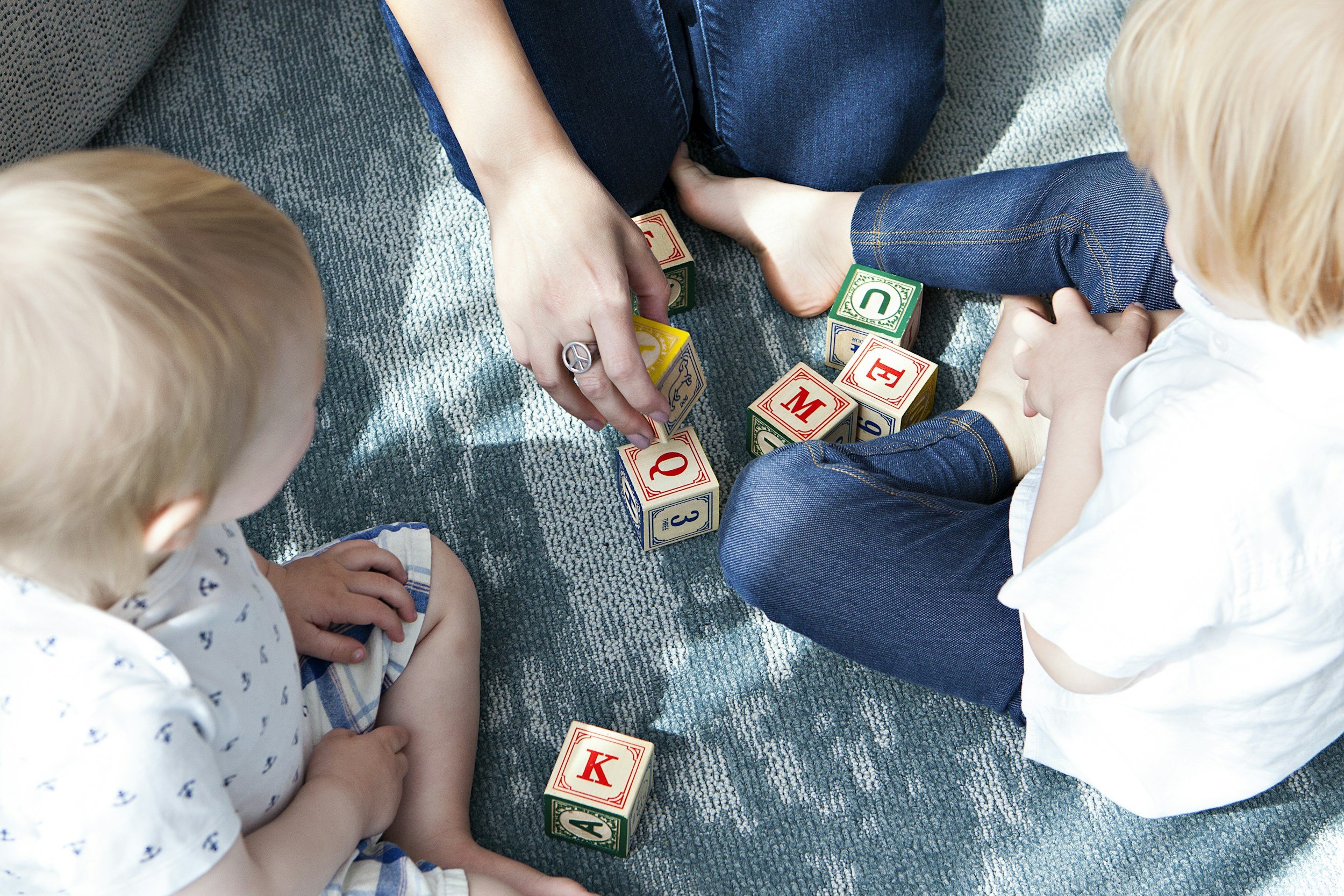
Your autistic child learns best through play with you, not just worksheets or toys. Playing together helps them communicate, think, and handle feelings. Just being present and having fun with them can teach big skills in small moments.